1540 E. Maryland Ave., Suite 100B
Phoenix, AZ 85014

Call For Your 30 Min Case Evaluation
1540 E. Maryland Ave., Suite 100B
Phoenix, AZ 85014
Call For Your 30 Min Case Evaluation
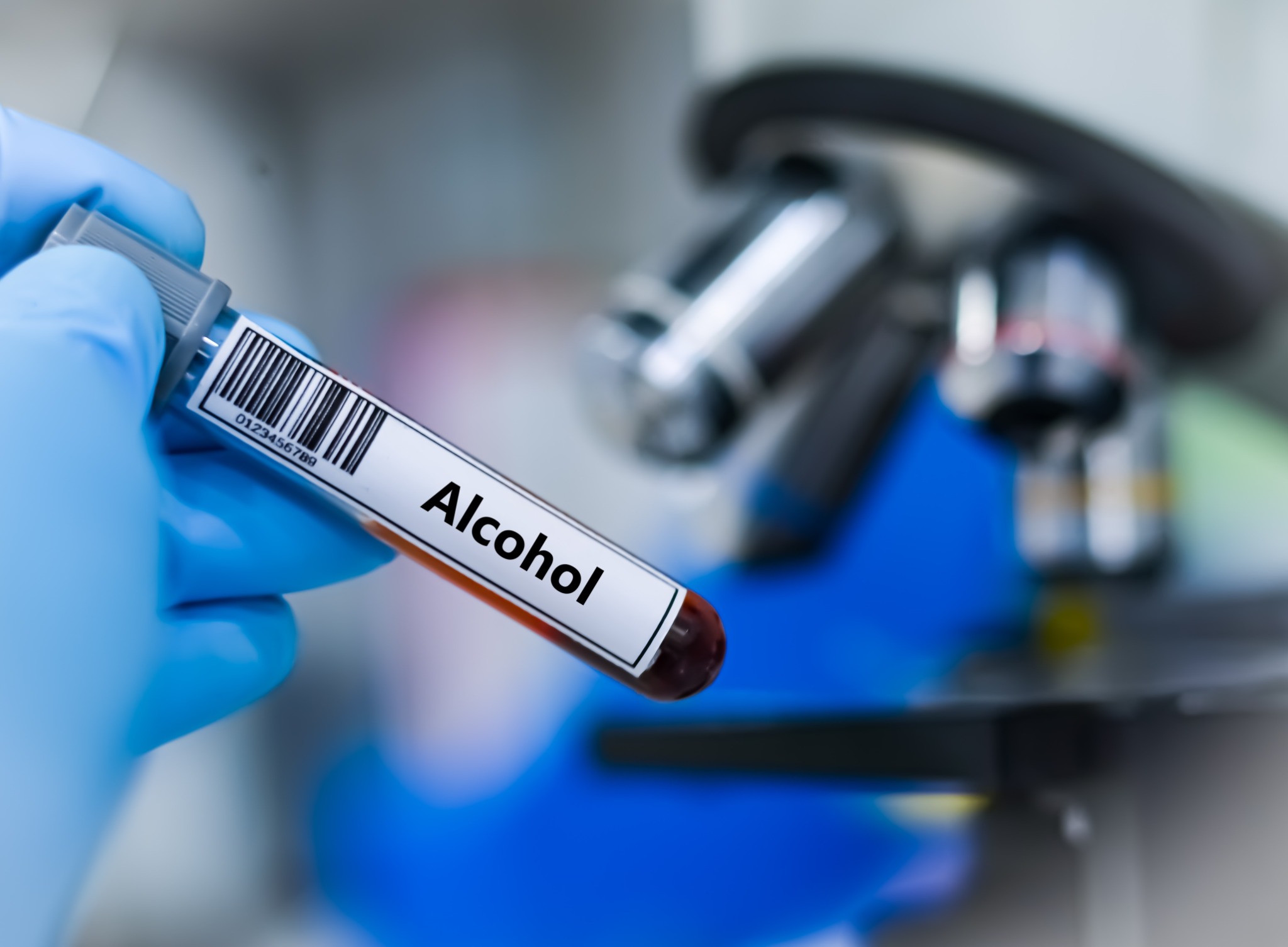
Many Arizona DUI investigations end with a blood draw at a station, mobile unit, or medical facility. The sample may then be stored and tested weeks or months later.
A blood result can be powerful evidence, but it is not self-explanatory. The legal authority for the draw and the scientific handling of the sample both deserve review.
Arizona's implied-consent law creates administrative consequences when a person arrested for DUI refuses specified testing. A refusal does not necessarily prevent testing; officers may seek a warrant.
The defense should examine the arrest timeline, advisements, warrant materials, and whether the draw stayed within the authority granted.
Blood must be collected, labeled, sealed, stored, transported, and tested under procedures designed to reduce contamination and error.
Records concerning the analyst, instrument, calibration, controls, sample condition, and chain of custody may be important. A reported result should be evaluated with the underlying data, not accepted in isolation.
Arizona’s per-se alcohol-concentration offenses use a two-hour framework tied to driving or actual physical control, subject to the statutory requirements. A later blood draw may require expert analysis of the concentration during that period. Impairment-based DUI does not require proof of a threshold BAC.
For drug allegations, presence does not always answer whether a substance impaired driving. The driving, observations, dose timing, medical history, and toxicology context remain important.
If your Arizona DUI case involves a blood draw, call The Molina Law Group at (602) 718-1249 to review the stop, warrant, laboratory evidence, and deadlines.
Read about our Arizona DUI defense, or request a consultation online.

The Molina Law Group focuses on Criminal Defense - Call Us Now - (602) 718-1249