1540 E. Maryland Ave., Suite 100B
Phoenix, AZ 85014

Call For Your 30 Min Case Evaluation
1540 E. Maryland Ave., Suite 100B
Phoenix, AZ 85014
Call For Your 30 Min Case Evaluation
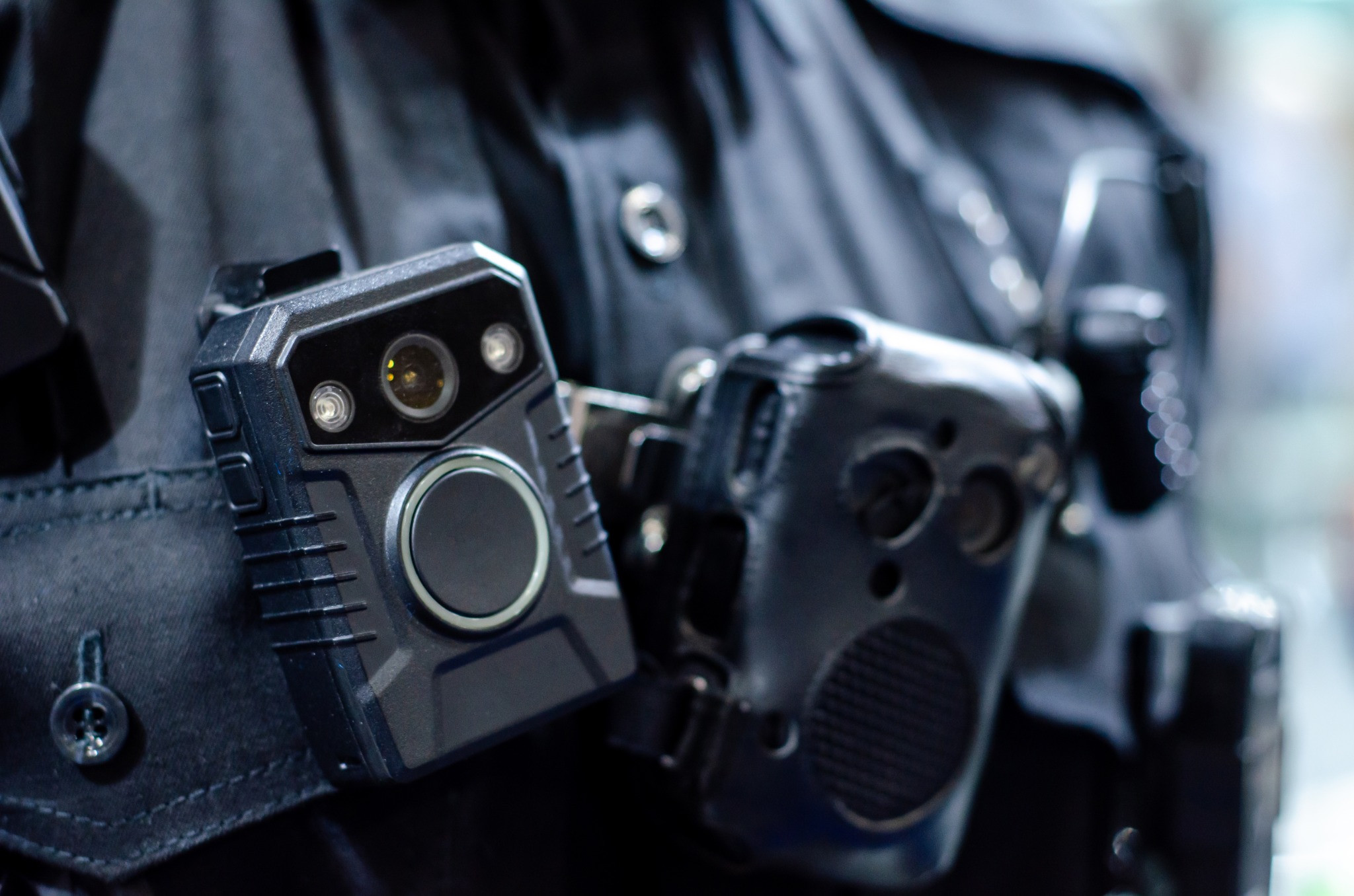
Police reports matter, but they are summaries written after the event. Body-camera video may preserve the encounter itself – including timing, tone, lighting, movement, instructions, injuries, and statements.
Video does not automatically favor either side. Its value comes from careful comparison with the reports, charges, dispatch information, other cameras, and the physical evidence.
A short clip can omit what led to the stop, entry, detention, use of force, search, or statement. Review should begin with activation and continue through transport or booking when relevant.
Dispatch audio and call notes may reveal what officers knew before arriving and whether later claims match the original information.
Commands may overlap. Wind, sirens, distance, language barriers, and multiple speakers may affect what a person heard or understood.
Audio can also capture spontaneous statements, requests for counsel, consent discussions, witness coaching concerns, or inconsistencies not reflected in the report.
Body cameras follow an officer's position and may not show hands, distances, objects, or actions outside the frame. Lens distortion and low light can affect perception.
The defense should seek other officers' recordings, business surveillance, doorbell video, photographs, and scene measurements rather than treating one view as complete.
If body-camera video is important to your Arizona criminal case, call The Molina Law Group at (602) 718-1249 for a complete evidence review.
Read about our criminal defense in Phoenix, or request a consultation online.

The Molina Law Group focuses on Criminal Defense - Call Us Now - (602) 718-1249