1540 E. Maryland Ave., Suite 100B
Phoenix, AZ 85014

Call For Your 30 Min Case Evaluation
1540 E. Maryland Ave., Suite 100B
Phoenix, AZ 85014
Call For Your 30 Min Case Evaluation
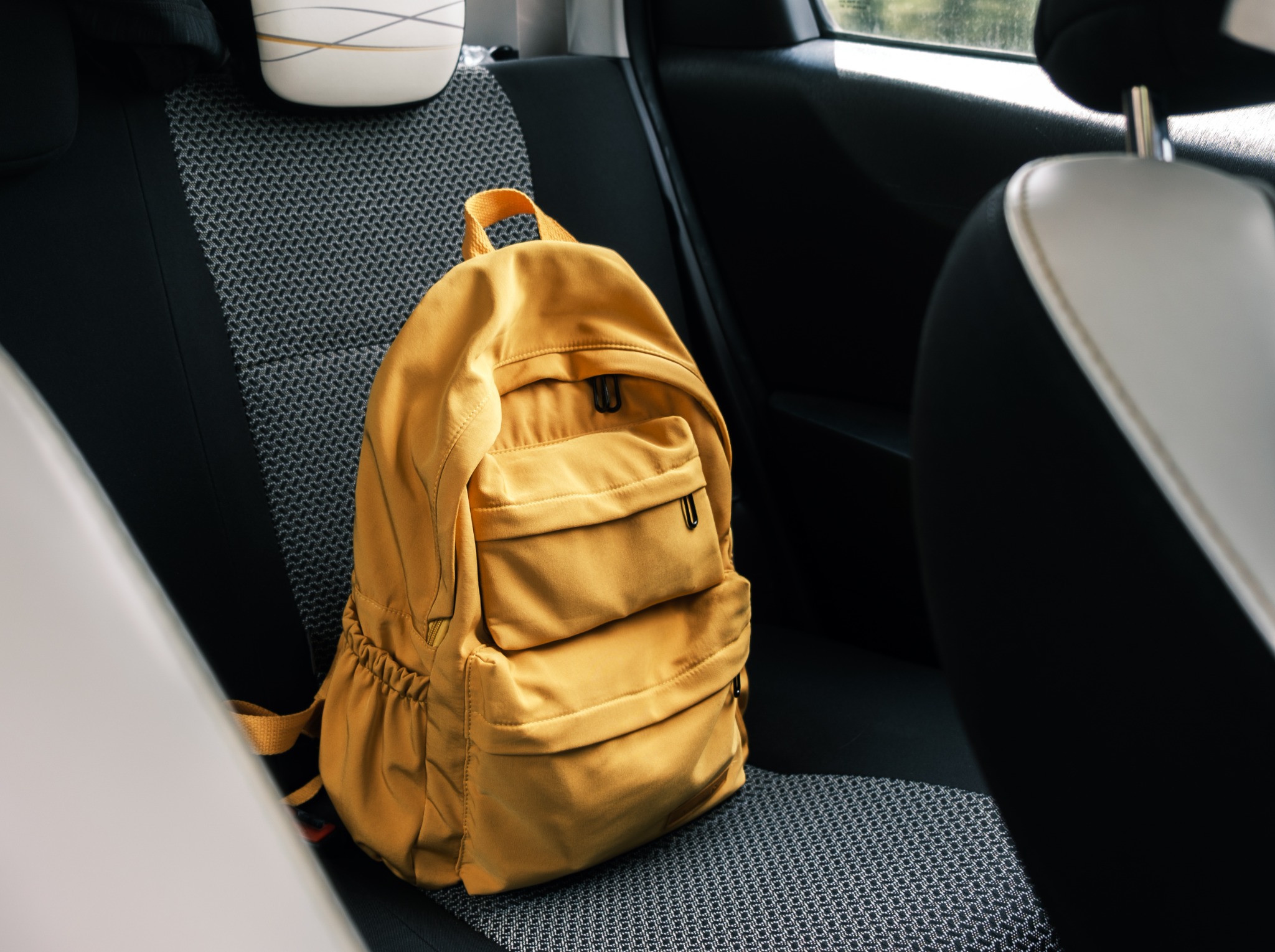
Drug evidence is often found in a shared place: a vehicle, bedroom, hotel room, backpack, center console, or home occupied by several people. Proximity may create suspicion, but it does not answer every element of possession.
Arizona drug statutes generally require knowing conduct. The defense should examine how the State intends to prove knowledge, identity, and control rather than assuming location alone decides the case.
Who owned or rented the location? Who had keys? Where exactly was the item? Was it hidden or in plain view? Did several people have equal access?
Mail, clothing, fingerprints, DNA, photographs, messages, and witness accounts may connect an item to one person, several people, or no one reliably.
Officers may separate occupants and ask who owns an item. A person may claim property to protect someone else, misunderstand the question, or make an uncertain statement under stress.
That statement should be evaluated with the recording, Miranda issues, body-camera video, and objective evidence rather than viewed in isolation.
The amount, packaging, scales, cash, ledgers, and communications may influence whether the State alleges personal possession or possession for sale.
Each item requires foundation and context. Innocent explanations, missing forensic links, and inconsistencies in collection or inventory can matter.
If drugs were found in a shared car, room, bag, or residence, call The Molina Law Group at (602) 718-1249 to review knowledge, control, and the State's evidence.
Read about our criminal defense in Phoenix, or request a consultation online.

The Molina Law Group focuses on Criminal Defense - Call Us Now - (602) 718-1249